

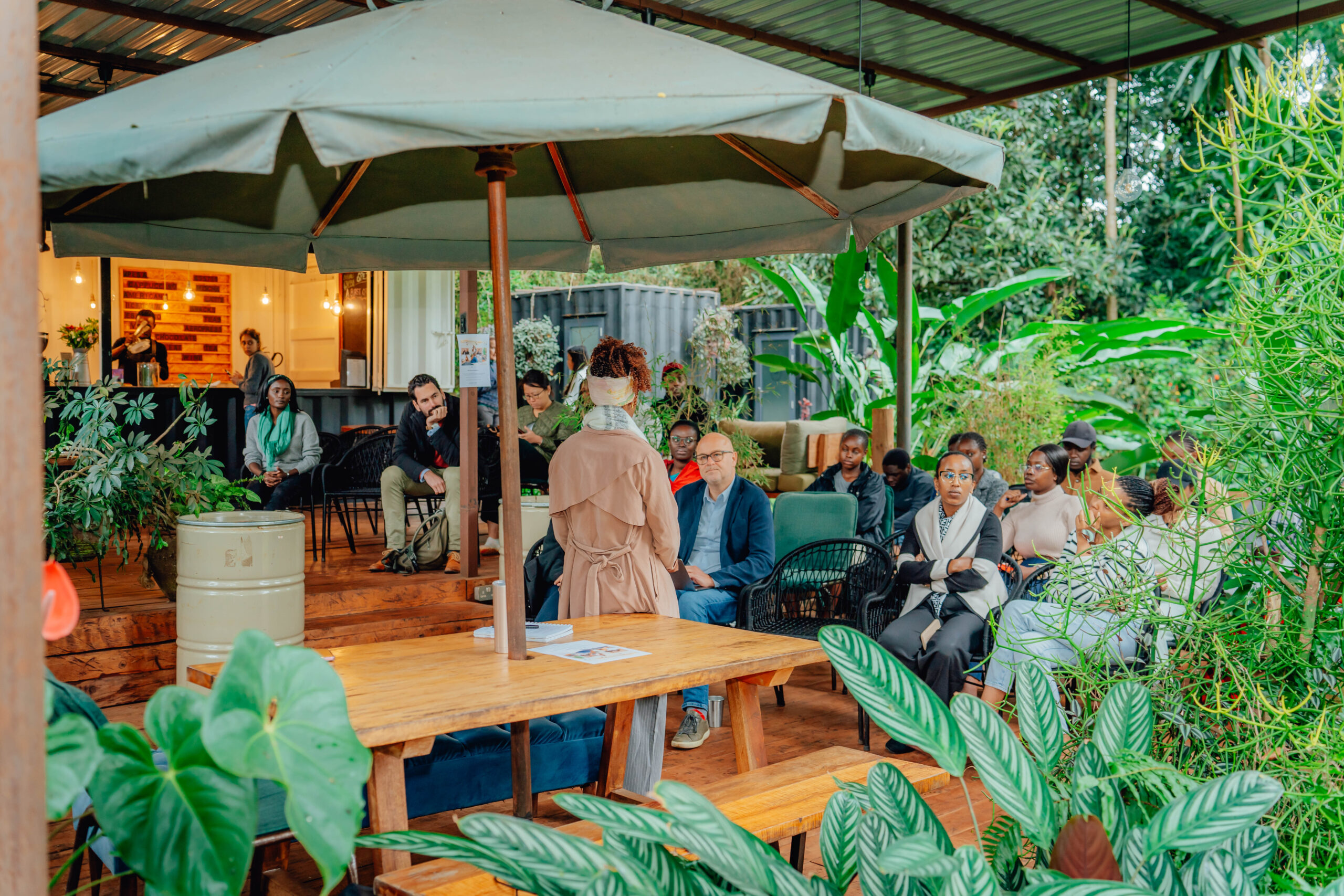
For many NGOs in Nairobi, the office is no longer just a place to work. It is becoming a space that directly affects team wellbeing, productivity, creativity, and even staff retention. As hybrid work grows and burnout becomes a real concern across the development sector, more organizations are exploring wellness-focused coworking spaces that support both operational efficiency and human well-being.
A wellness-first workspace goes beyond desks and the internet. It is intentionally designed to improve how people feel, collaborate, and perform during the workday.
In Nairobi, this shift is becoming more visible as organizations look for flexible workspaces that support community, mental health, collaboration, and healthier work cultures.
What Are Wellness-Focused Coworking Spaces?
Wellness-focused coworking spaces are shared work environments designed around the physical, mental, and social well-being of members.
Unlike traditional offices that prioritize only functionality, wellness-focused spaces combine flexible infrastructure with environments that reduce stress and encourage balance. This often includes natural lighting, greenery, quiet work zones, wellness programming, social connection opportunities, and thoughtful community design.
Spaces such as Ikigai Nairobi position wellness as a core part of the coworking experience through biophilic design, outdoor workspaces, wellness activities, and community-driven programming.
For NGOs, this matters because mission-driven work often comes with high emotional and operational pressure. Teams handling humanitarian work, advocacy, climate programs, public health, or community outreach frequently operate under demanding timelines and emotionally heavy environments. A workspace that supports wellbeing can help reduce fatigue and improve team morale.
Why Wellness Matters for NGOs
Many nonprofit teams are expected to do high-impact work while managing limited resources, donor expectations, and emotionally complex projects. Over time, this can affect staff engagement and performance.
A wellness-oriented workspace helps organizations create healthier work rhythms by supporting:
- Better mental health and wellbeing at work
- Reduced stress and burnout
- Improved collaboration between teams
- Increased employee satisfaction
- Stronger workplace culture
- Higher productivity and creativity
Research and community discussions around coworking consistently show that people value spaces that encourage social connection, knowledge sharing, and supportive communities.
For NGO leaders, choosing the right workspace is increasingly becoming a strategic operational decision rather than simply a facilities choice.
What Makes a Coworking Space NGO-Friendly?
An NGO-friendly coworking space usually combines flexibility, affordability, community alignment, and wellness support.
Many NGOs need:
- Flexible lease terms
- Scalable office setups
- Meeting and workshop spaces
- Reliable internet and security
- Spaces for collaboration and quiet work
- Access to mission-aligned communities
- Staff wellbeing support
Coworking also allows NGOs to avoid the overhead costs of long-term office leases while giving teams access to professional environments and networking opportunities.
In Nairobi, coworking communities increasingly include startups, nonprofits, social enterprises, consultants, creatives, and impact-driven organizations working alongside each other.
Community Programs NGOs Should Evaluate
One of the biggest differences between ordinary shared offices and wellness-focused coworking spaces is the quality of the coworking community programs available.
Strong community programming helps members build relationships, learn from others, and feel connected beyond daily tasks.
When evaluating a coworking space, NGOs should assess whether the space offers:
1. Wellness Events and Activities
Look for spaces that host:
- Yoga sessions
- Meditation classes
- Breathwork or mindfulness workshops
- Fitness sessions
- Wellness talks
- Mental health awareness events
For example, some Nairobi coworking operators now include yoga, meditation, exercise classes, and wellness partnerships as part of their ecosystem.
2. Community Networking Opportunities
Good coworking memberships should create opportunities for:
- NGO collaborations
- Partner introductions
- Knowledge-sharing sessions
- Founder or leadership meetups
- Industry events
- Social mixers
These interactions can create partnerships, funding conversations, or new program opportunities.
3. Learning and Professional Development
Check whether the space hosts:
- Workshops
- Lunch-and-learns
- Leadership talks
- Skills training sessions
- Innovation discussions
- Impact ecosystem events
This is particularly valuable for NGO teams looking to build internal capacity without constantly organizing external training.
4. Inclusive and Supportive Culture
A wellness-focused coworking environment should feel psychologically safe and welcoming.
Pay attention to:
- How staff interact with members
- Diversity of the community
- Inclusivity practices
- Accessibility
- Sense of belonging
Culture strongly affects whether teams actually enjoy coming into the workspace.
Wellness Amenities NGOs Should Look For
The best wellness-focused spaces combine physical amenities with intentional environmental design.
Here is a practical checklist NGOs can use when evaluating wellness amenities:
Physical Environment
- Natural lighting
- Outdoor workspaces or gardens
- Greenery and biophilic design
- Quiet zones for focused work
- Comfortable ergonomic furniture
- Proper ventilation
- Relaxation areas
Biophilic workspaces — environments designed around nature — are increasingly associated with reduced stress and improved wellbeing. Several Nairobi coworking brands now emphasize garden environments and outdoor collaboration areas.
Mental Health and Wellbeing Support
- Access to therapists or counselors
- Mental health programming
- Wellness coaching
- Meditation sessions
- Reflection or decompression spaces
Some coworking operators now integrate therapy sessions, wellness consultations, and holistic wellbeing programs into their offerings.
Fitness and Movement
- Gym access
- Exercise classes
- Walking areas
- Stretching or wellness rooms
- Standing desks
Physical movement during the workday can significantly improve concentration and reduce fatigue.
Food and Hospitality
- Healthy food options
- Coffee and tea areas
- Fruit or hydration stations
- Comfortable communal dining spaces
Shared meals and social hospitality also contribute to stronger team culture and community connection.
Flexibility and Work-Life Balance
- Flexible coworking memberships
- Day passes
- Hybrid work support
- 24/7 access where necessary
- Variety of workspace setups
NGOs often need adaptable arrangements for field teams, consultants, and rotating project staff.
Questions NGO Leaders Should Ask Before Choosing a Space
Before committing to a coworking membership, operations managers should ask:
- Does this environment reduce or increase stress for our team?
- Will our staff feel comfortable spending long workdays here?
- Are there opportunities for meaningful community engagement?
- Does the space align with our organization’s values?
- Are wellness programs actively used or just marketed?
- Can the space grow with our team?
- Does the community include impact-driven organizations?
Visiting the space during a normal workday is important. Observe energy levels, noise, interaction styles, and how members actually use the environment.
The Future of Work for NGOs in Nairobi
The future of work is shifting from simply “where people work” to “how work supports people.”
For NGOs, investing in wellness-focused coworking is not just about aesthetics or modern office trends. It is about creating healthier, more sustainable teams capable of delivering long-term impact.
As conversations around mental health and wellbeing at work continue to grow globally and locally, Nairobi’s coworking ecosystem is evolving to meet those needs through more human-centered environments, flexible work models, and intentional community design.
Organizations that prioritize well-being today are likely to build stronger, more resilient teams tomorrow.
Leave a Reply